
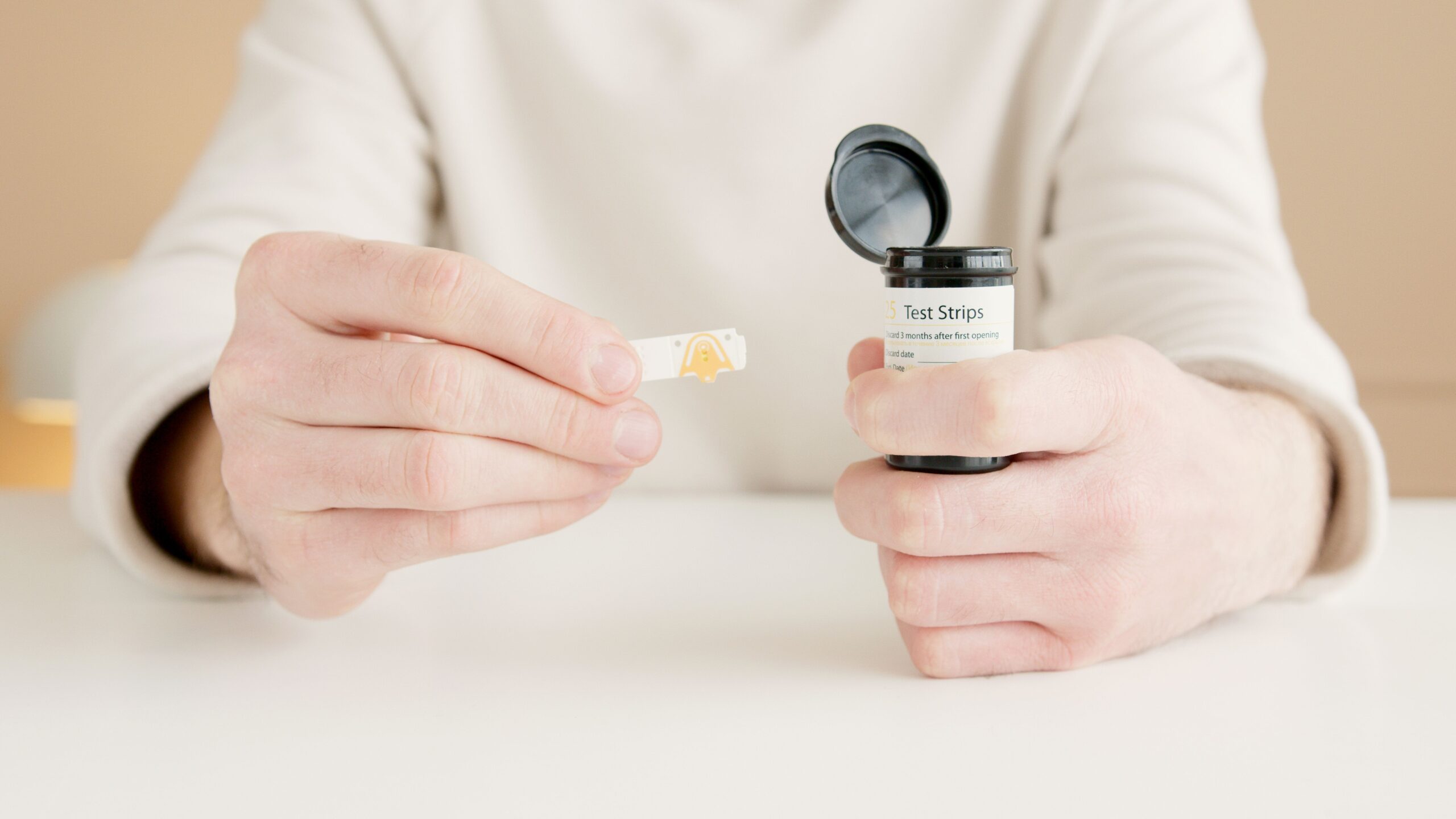
Is it legal to sell extra diabetic test strips for cash? 2026
If you have unopened diabetes supplies sitting in a cabinet, you may be wondering whether you can turn them into

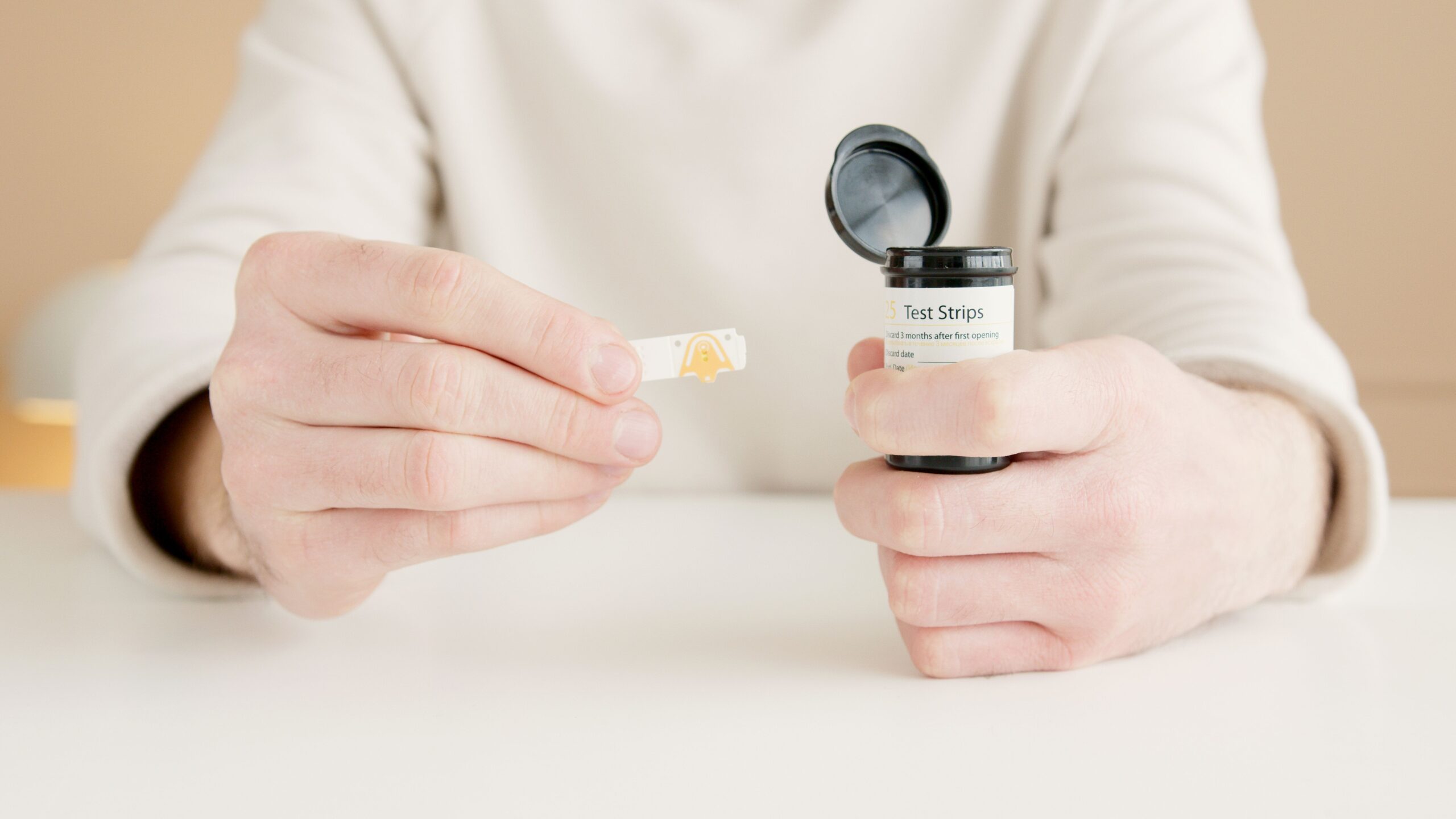
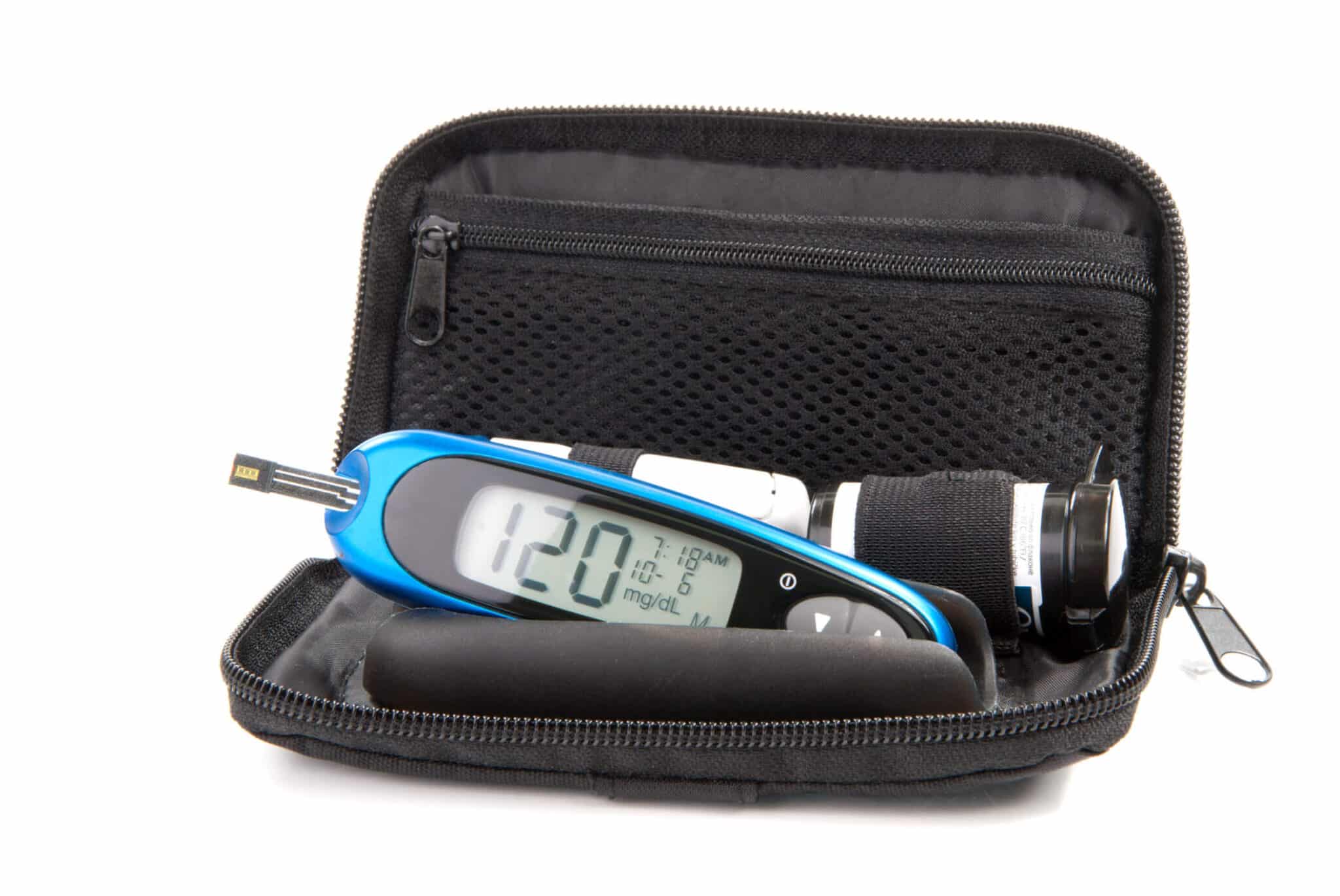
If you have unopened diabetes supplies you no longer need, you may be wondering whether you can turn them into cash, donate them, or safely dispose of them. In the U.S., the safest answer is: understand what you own, check the packaging, avoid anything expired or opened, and be careful with supplies paid for by government programs or issued by a prescription-only system. This guide explains the practical, legal-minded steps to take before searching for sell test strips near me, cash for strips, or we buy diabetic test strips.
In many ordinary situations, selling extra diabetic test strips is not automatically illegal, but the details matter. Test strips are medical devices, and the FDA has warned consumers about risks from pre-owned or unauthorized strips, including inaccurate results, improper storage, expiration, and possible contamination. The safest resale conversations usually involve factory-sealed, unexpired boxes that were lawfully obtained and can be verified by brand, lot number, and expiration date. (fda.gov)
That means the real question is not only is it illegal to sell diabetic test strips; it is whether your specific supplies are eligible, safe, and allowed under the rules that apply to how you received them. Supplies bought with your own money at retail are different from supplies billed through Medicare, issued by a clinic, received through a charity, or provided under a health plan agreement. If you are unsure, do not guess—check the paperwork or ask the payer or program.
Medicare Part B covers certain diabetic testing supplies, including blood sugar test strips, when coverage requirements are met. Because government and insurance-paid supplies involve billing rules and fraud concerns, they should be treated much more cautiously than retail items you purchased yourself. (medicare.gov)
Extra supplies are common. A doctor may change a testing routine, a person may move from finger-stick testing to a CGM, a brand may no longer match a meter, or a caregiver may find unopened boxes after a loved one’s treatment changes. None of that means the supplies should go straight into the trash.
At the same time, diabetes supplies are not ordinary household goods. The person who eventually uses them may make treatment decisions based on the reading. That is why reputable test strip buyers care about condition, expiration, storage, and whether the box is sealed.
People often search phrases like sell diabetic supplies near me, cash for test strips near me, sell my test strips usa, or who buys diabetic supplies near me open now because they want a fast local answer. Speed is understandable, but it should not come before safety or documentation.
Before you contact anyone advertising we buy test strips, fast cash strips, or webuy test strips, sort your supplies carefully. A legitimate buyer should be willing to say what they accept, what they reject, and how they price items.
Use this checklist first:
This process protects both sides. It helps you avoid selling items that should not enter the marketplace, and it helps buyers avoid unsafe inventory.
A test strip buyers price list is usually based on demand, brand, box size, expiration date, condition, and whether the packaging is retail-ready. A sealed box with a long expiration window is typically easier to evaluate than one expiring soon. A box with torn seals, pharmacy stickers, water damage, or missing lot information may be rejected.
You may see different prices from different buyers. That does not automatically mean one is dishonest; it may mean they resell through different channels, have different inspection rules, or currently need different brands. Still, be cautious if a buyer promises unusually high payouts but gives vague instructions, refuses to identify themselves, or asks you to ship without clear payment terms.
A practical approach is to compare several test strip buyers, ask how they inspect boxes, and confirm whether shipping is prepaid. If the phrase sell test strips for cash leads you to a buyer, look for transparent eligibility rules before sending anything.
Searching sell test strips near me can feel simpler than shipping supplies across the country. A local transaction may be faster, and you may be able to ask questions in real time. However, local does not automatically mean safer.
Online buyers such as BuyMyCGM may provide a written quote, prepaid label, inspection process, and payment timeline. Local buyers may offer same-day payment but less documentation. Either route can be legitimate, but the safest choice is the one that gives you clear terms and respects medical supply rules.
Compare these factors before deciding:
| What to compare | Why it matters |
|---|---|
| Accepted brands | Not every buyer accepts every meter brand or strip type |
| Expiration window | Boxes near expiration may be rejected or discounted |
| Payment timing | Know whether payment happens before or after inspection |
| Shipping terms | Confirm who pays shipping and what happens if items are rejected |
| Business transparency | Look for real contact information and clear policies |
| Privacy practices | Remove personal pharmacy labels if allowed without damaging the box |
If you want cash for strips quickly, do not skip the basics. A careful buyer may take slightly longer, but clear documentation is worth it.
Selling Dexcom G7 sensors is more complicated than selling many traditional test strips because Dexcom G7 is a prescription CGM system in the U.S. FDA materials for Dexcom G7 identify it as prescription use, and Dexcom’s own materials state that a doctor’s prescription is required for a G7 trial. (accessdata.fda.gov)
That matters if you are searching sell dexcom g7, sell g7, sell my dexcom g7 sensor, or sell dexcom g7 sensors. A prescription-only device may involve different rules from over-the-counter test strips
If you have unopened Dexcom G7 sensors you cannot use, first ask the pharmacy, prescriber, insurer, or manufacturer support channel what options exist. If a third-party buyer advertises that they purchase CGM sensors, ask for their eligibility rules in writing and avoid selling anything expired, opened, recalled, damaged, or obtained through a restricted program.
Legal risk and safety risk often overlap. The FDA specifically warns that pre-owned or unauthorized test strips may have been stored incorrectly, may be expired, or may carry contamination risk. Those problems can lead to inaccurate readings, and inaccurate readings can affect treatment decisions. (fda.gov)
For sellers, this means “unopened” is not just a pricing detail. It is a safety requirement. If boxes sat in extreme heat, were stored in a damp garage, or show signs of tampering, do not sell them.
For buyers, this is why “cheap” should never be the only goal. Diabetics trust supplies that are intact, traceable, and appropriate for their meter or device. If you are writing a listing or speaking with a buyer, be honest about storage, expiration, and condition. For buyer who want to make sure they are selling eligible items the BuyMyCGM Seller Guide may be of use.
If resale feels uncertain, donation may be a better path. Many people search where to donate diabetic supplies because they want unused items to help someone rather than expire in a cabinet. The American Diabetes Association says it does not accept diabetes supply donations directly, but it points people toward organizations that may accept unexpired, unopened supplies such as test strips, lancets, meters, and pump supplies. (diabetes.org)
Insulin for Life USA says it is licensed to collect in-date, unused insulin, test strips, and other diabetes supplies for redistribution through healthcare organizations and licensed professionals. Donation programs typically have strict rules about expiration dates, seals, temperature-sensitive products, and shipping, so always check current instructions before mailing anything. (iflusa.org)
Donation can be especially appropriate when supplies were received through a program that discourages resale, when the potential cash value is low, or when you simply want the supplies to reach someone who needs them.
Not every company using phrases like we buy diabetic test strips or cash for test strips near me operates with the same standards. Before sending supplies, slow down and look for warning signs.
Be careful if a buyer:
A trustworthy buyer should care about compliance and safety, not just volume. If the process feels rushed or vague, choose another option.
If you are ready to act, make the process simple and organized. Gather every unopened box in one place, separate test strips from CGM sensors and other supplies, and photograph the front, back, seal, lot number, and expiration date. Then decide whether selling, donating, returning, or disposing is the safest path.
Follow this order:
These steps apply whether you are searching sell test strips near me, sell diabetic supplies near me, or sell my test strips usa. They also help you decide when donation is the more responsible choice.
Selling extra diabetic test strips can be possible when the supplies are lawfully yours, sealed, unexpired, and safe to transfer—but every situation deserves a careful look. When in doubt, choose transparency, verify the source of the supplies, and consider donation through a qualified organization.
The goal is not just to get fast cash. It is to make sure unused supplies are handled in a way that protects you, supports safe diabetes care, and respects the people who may rely on them next.
If you have unopened diabetes supplies sitting in a cabinet, you may be wondering whether you can turn them into
If you live with diabetes, you know how quickly testing supplies can pile up. Maybe your doctor changed your meter,