
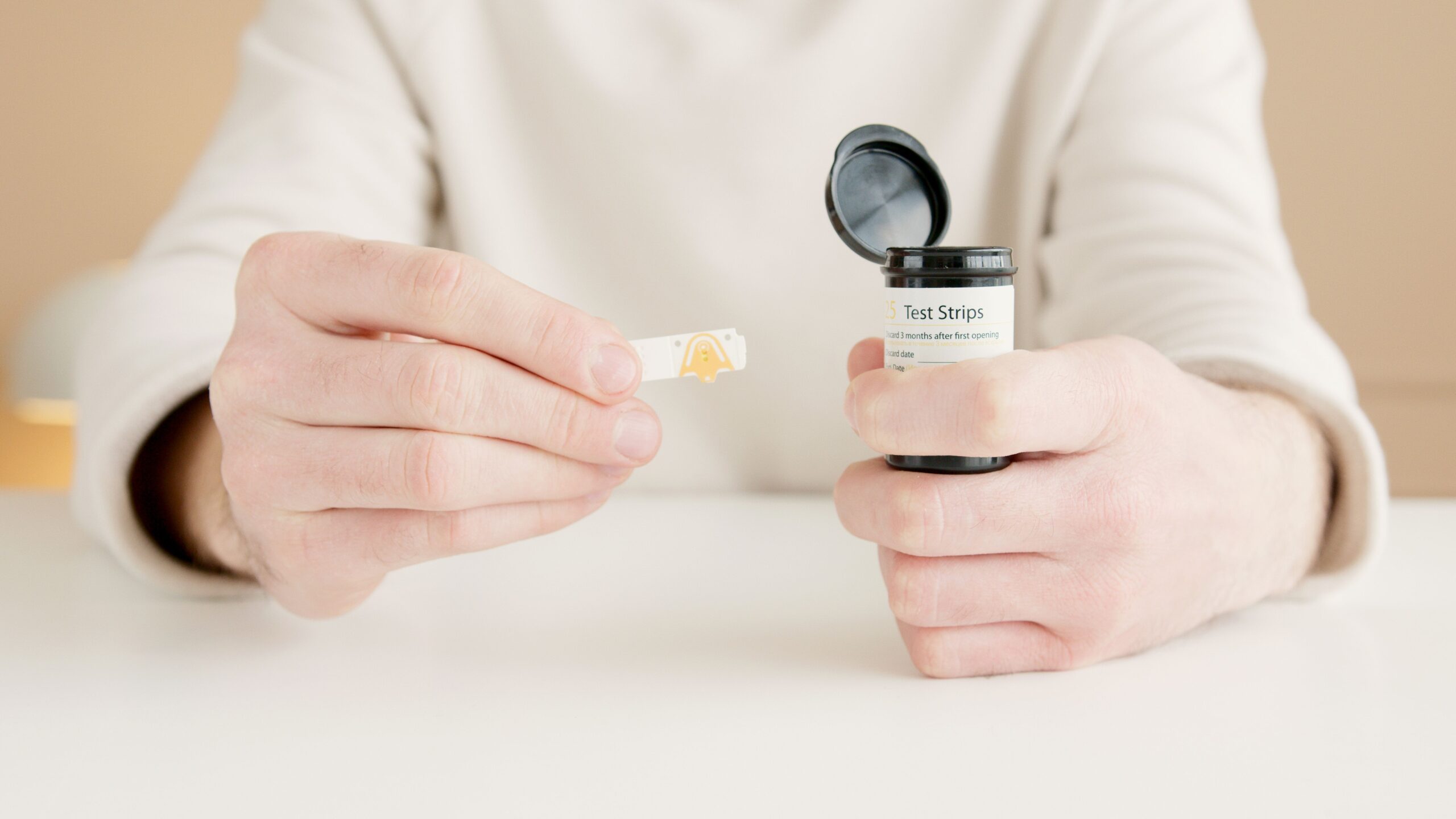
Is it legal to sell extra diabetic test strips for cash? 2026
If you have unopened diabetes supplies sitting in a cabinet, you may be wondering whether you can turn them into

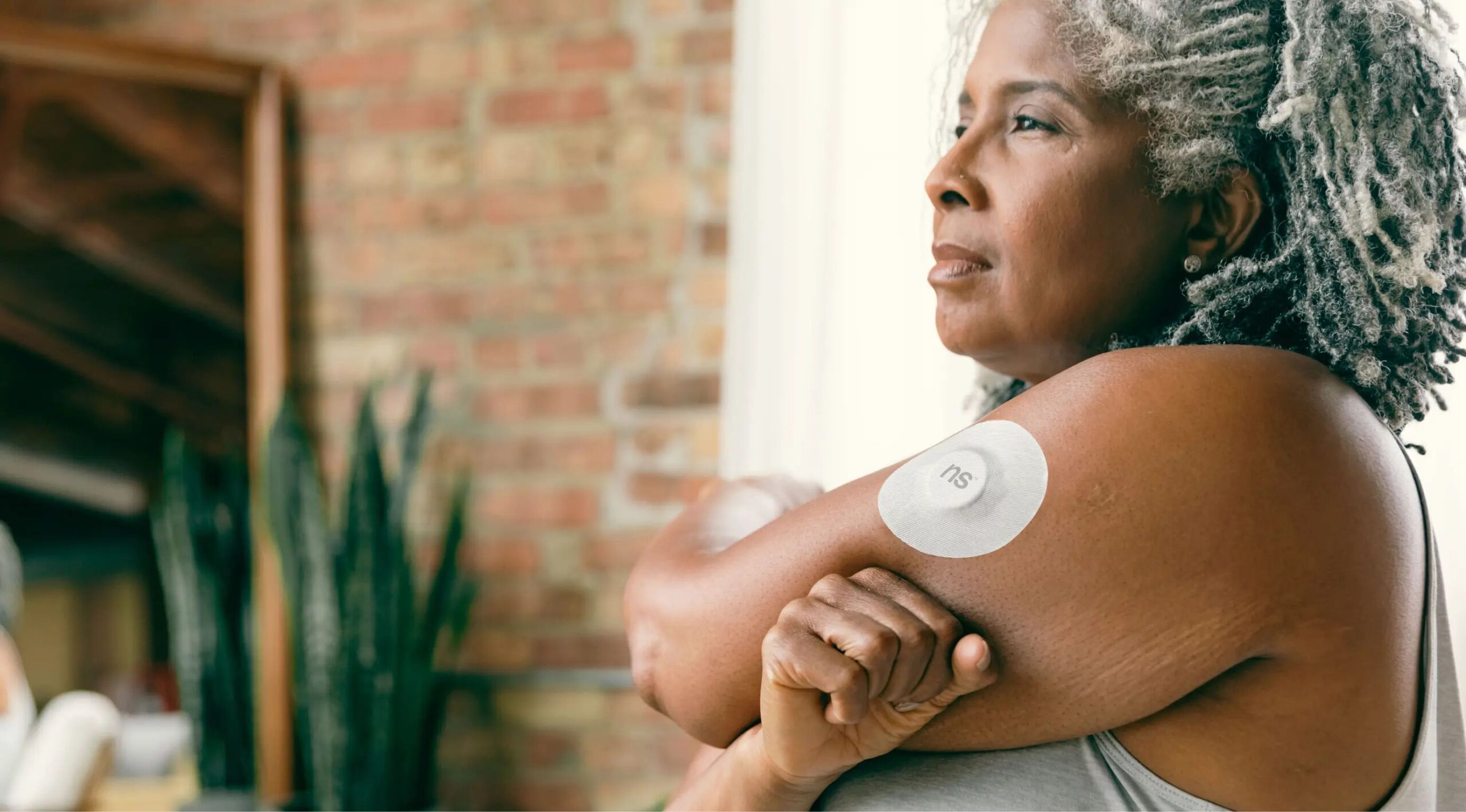
If you have unopened Dexcom supplies sitting in a drawer, you may be able to turn them into cash instead of letting them expire. The safest path is to sell only factory-sealed, unexpired supplies that you legally own, and to avoid selling anything paid for by Medicare, Medicaid, or another government health program. Because Dexcom products are prescription medical devices, where and how you sell them matters.
In many cases, yes: you can generally sell unused Dexcom sensors, transmitters, or receivers that you personally own, as long as they are unopened, unexpired, and not obtained through Medicare, Medicaid, or another federally funded program. The legal risk rises when products are expired, opened, tampered with, obtained through a government benefit, or sold on a platform that bans prescription medical devices. Dexcom G7 requires a prescription, and Dexcom notes that G7 uses one prescription while G6 had separate prescriptions for the sensor and transmitter, so sellers should treat both G6 and G7 supplies as regulated medical products rather than ordinary consumer goods. (dexcom.com)
That does not mean every private sale is automatically safe. Medical supply resale can be affected by product condition, payer source, state rules, and the buyer’s own compliance process. If you are unsure whether a specific box is eligible, check how it was paid for, confirm the expiration date, and ask the buyer what documentation they require before shipping anything.
The most important question is not only “Can I sell Dexcom?” but “Do I legally own these supplies free and clear?” If you bought them out of pocket or received them through private insurance, you are usually in a better position to sell diabetic supplies for cash. If they were paid for by Medicare, Medicaid, TRICARE, CHAMPVA, or another government health care program, do not resell them.
Federal health care program rules are strict because government-paid medical supplies are tied to fraud, waste, and abuse concerns. The HHS Office of Inspector General identifies Medicare, Medicaid, CHIP, TRICARE, CHAMPVA, and other programs as federal health care programs, and its fraud guidance focuses heavily on improper payments, inducements, and health care supply schemes. (oig.hhs.gov)
Before you list or ship anything, review:
If the answer is unclear, do not guess. Letting supplies go unused is frustrating, but reselling government-paid medical supplies can create far more serious problems than losing a payout.
Most buyers that purchase Dexcom supplies want products that are easy to verify, safe to handle, and still useful to the next recipient. That usually means sealed boxes with intact packaging, clear lot numbers, and enough time before expiration for the buyer to inspect, process, and resell or distribute them.
Commonly accepted items may include:
If you want to sell Dexcom G7, sell Dexcom G7 sensors, sell my Dexcom G7 sensor, or sell Dexcom G6 transmitter, condition matters more than almost anything else. A box that is sealed, clean, and far from expiration is more attractive than one that is crushed, close-dated, or missing identifying information.
Supplies are often declined when they are:
The FDA has warned consumers about safety risks with pre-owned or unauthorized home-use test strips and recommends checking whether packaging has been opened or altered and whether the product is expired. Although that FDA warning focuses on test strips, the same practical caution applies to CGM supplies: product integrity, storage, and packaging are central to safety. (fda.gov)
Visit our seller guide for more information on verifying whether supplies are fit for sale.
Usually, no. If you are asking “can i sell dexcom sensors on ebay,” the key issue is that eBay’s medical device policy says prescription medical devices cannot be sold on the platform. Because Dexcom G6 and G7 supplies require prescriptions, listing them on a general marketplace can lead to removed listings, withheld payments, account issues, or unsafe transactions. (ebay.com)
A dedicated medical-supply buyer is usually safer than a public marketplace because the buyer can verify expiration dates, packaging, payer restrictions, and shipping requirements before payment. You also avoid negotiating with strangers who may ask you to bend rules, ship opened items, or hide product details.
If you still consider any online platform, read its policy first. Do not rely on other people’s active listings as proof that the sale is allowed. Listings can remain online temporarily even when they violate platform rules.
People often search “where can i sell my dexcom g7 sensors,” “who buys diabetic supplies near me open now,” or “sell diabetic supplies near me” because they want a quick, local answer. Local cash sales can be risky, though, especially when the buyer does not explain compliance rules or asks for supplies in questionable condition. A more careful approach is to use a buyer that publishes accepted products, condition standards, shipping steps, and payment methods. BuyMyCGM is a good example of a site that follows these industry standards.
A typical selling process looks like this:
To avoid scams, be cautious of buyers who pressure you to ship immediately, refuse to explain their rules, offer unusually high prices with no inspection, or ask you to misrepresent the source of the supplies. If the transaction feels rushed or secretive, walk away.
There is no universal price for Dexcom supplies. Payouts can vary by demand, model, expiration window, box condition, and whether the item is a sensor, transmitter, or receiver. A newer, sealed box with many months left before expiration will usually be easier to sell than a battered box that expires soon.
For example, someone trying to sell Dexcom G6 receiver or sell Dexcom G6 transmitter should expect the buyer to look closely at packaging and expiration. Someone trying to sell Dexcom G7 sensors may also need to identify whether the boxes match what the buyer currently accepts. If you want the best chance of approval, request a quote before shipping and be honest about every detail.
This is also where speed matters. Dexcom products lose resale value as they approach expiration. If you know you will not use a box, do not wait until the last month to look for options.
Selling is not the only responsible choice. If your supplies are not worth much, you are uncomfortable with resale, or you simply want to help someone else, donation may be a better fit. Many people search where to donate diabetic supplies after switching devices, changing insurance, or receiving more supplies than they can use.
The American Diabetes Association says it cannot accept diabetes supplies directly, but it points people toward other organizations and suggests checking with local health departments, relief agencies, religious institutions, and other community programs. Insulin for Life USA is one organization that supports the diabetes community through donated supplies and related aid. (diabetes.org)
Before donating, ask the organization what it accepts. Donation programs often require supplies to be unopened, unexpired, and stored properly. Some may accept test strips or meters but not CGM supplies; others may have specific forms, shipping instructions, or expiration requirements.
Use this quick checklist before you sell diabetic supplies or donate them:
If you can answer yes to the relevant questions, you are in a stronger position to sell Dexcom supplies safely. If not, donation, return options, or proper disposal may be the better route.
You can often sell unused Dexcom supplies when they are legally yours, sealed, unexpired, and not connected to Medicare, Medicaid, or another government program. The safest route is to avoid public marketplaces that ban prescription devices, verify the buyer’s rules, and document the condition of every box before shipping.
Whether you want to sell diabetic supplies for cash, sell Dexcom G7, or find a responsible donation option, the goal is the same: keep usable supplies from going to waste while staying within legal, platform, and safety boundaries.
If you have unopened diabetes supplies sitting in a cabinet, you may be wondering whether you can turn them into
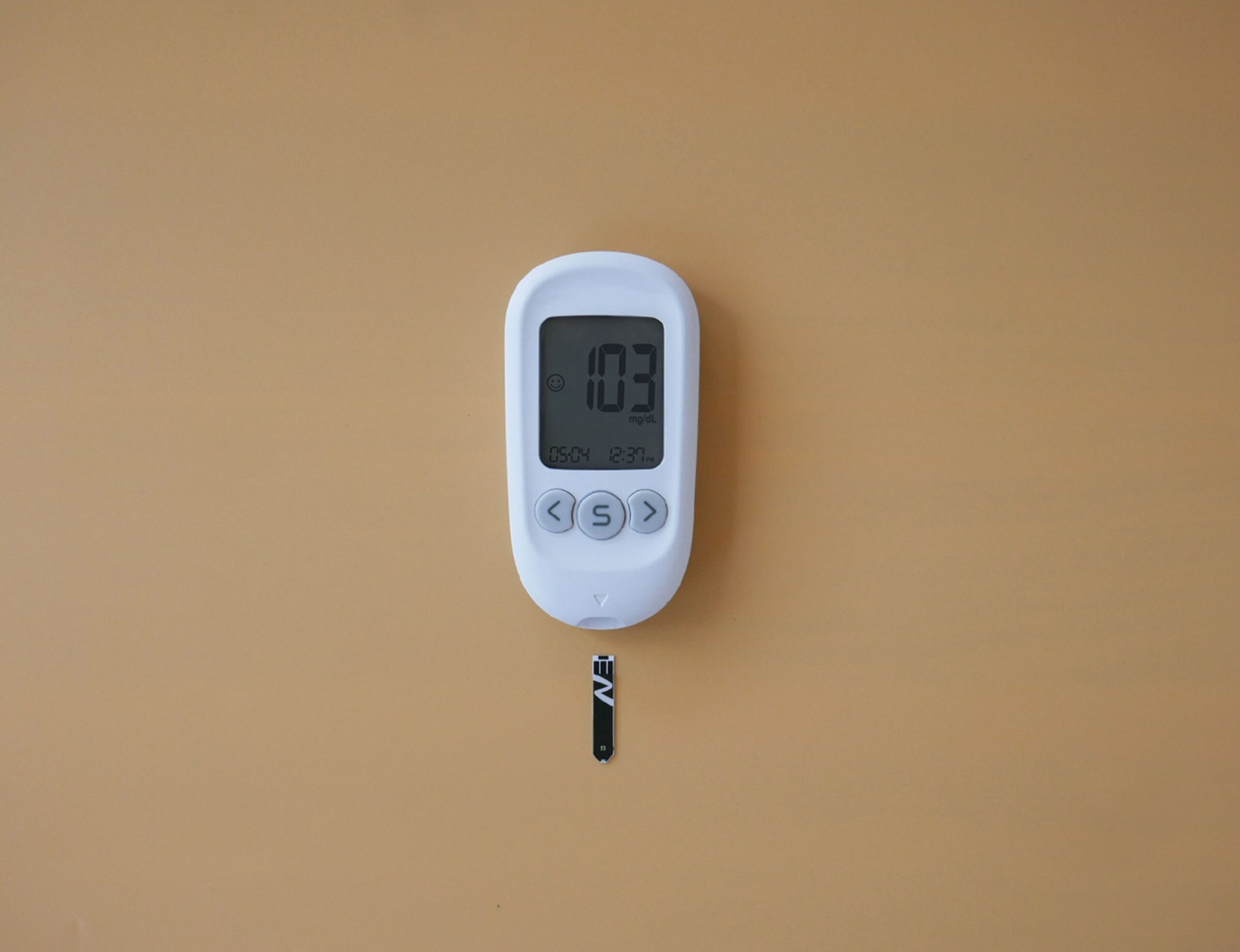
If you live with diabetes, you know how quickly testing supplies can pile up. Maybe your doctor changed your meter,