

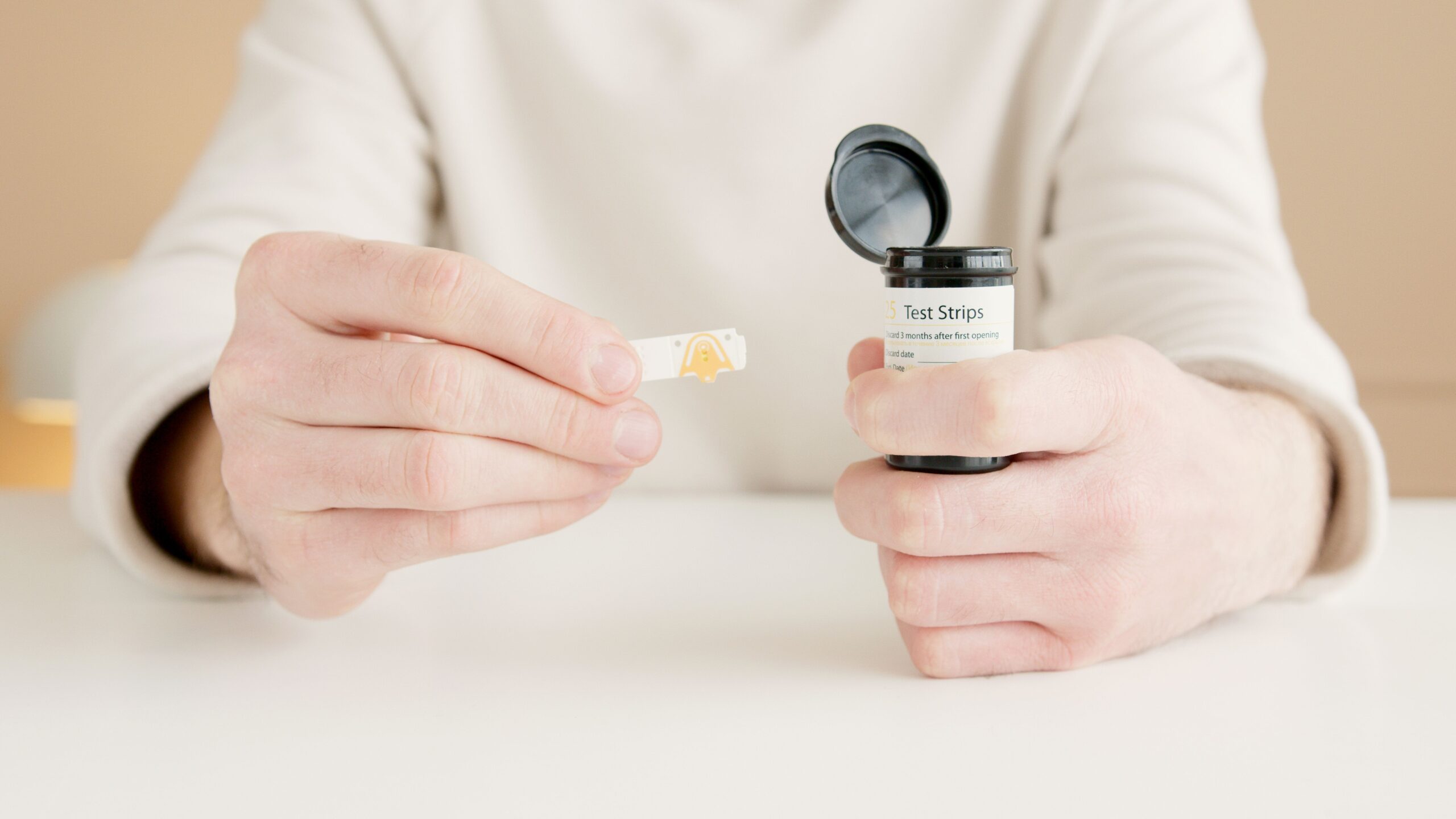
Is it legal to sell extra diabetic test strips for cash? 2026
If you have unopened diabetes supplies sitting in a cabinet, you may be wondering whether you can turn them into

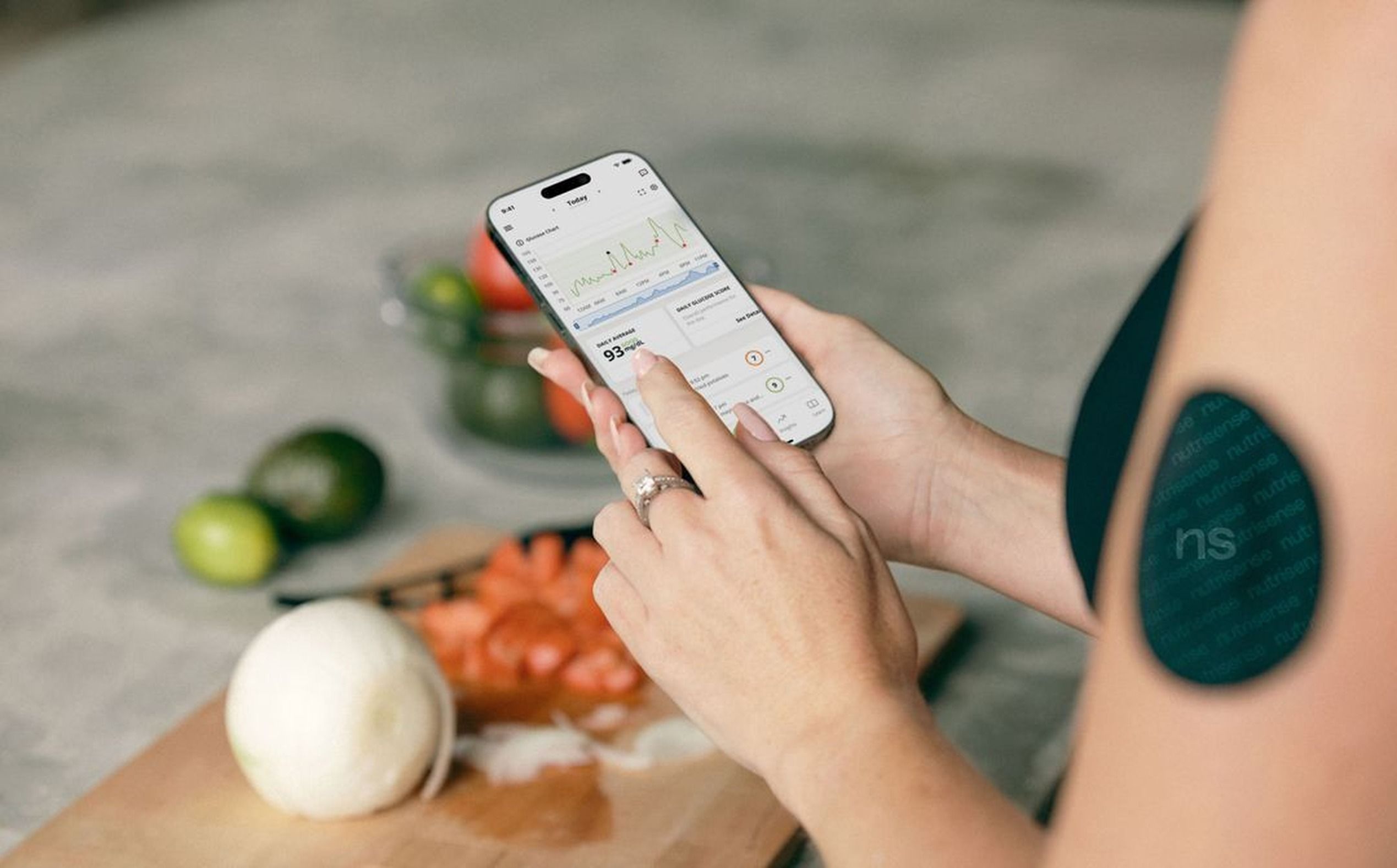
Omnipod 5 is a tubeless automated insulin delivery system designed to help eligible people manage insulin with fewer manual adjustments and more flexibility. It pairs a wearable Pod with a compatible continuous glucose monitor, using an algorithm to adjust insulin delivery based on sensor trends. For people comparing diabetes technology, insurance costs, and extra supplies, understanding how the system works can also clarify what to keep, what to discuss with a clinician, and what to do with unused items safely.
Omnipod 5 helps by combining automated insulin adjustments, CGM data, and a tubeless Pod that can be worn directly on the body. Its SmartAdjust technology can adapt insulin delivery every five minutes using compatible CGM readings, while users still need to bolus for meals and follow the plan set by their diabetes care team. The system is cleared for people with type 1 diabetes age 2 and older and adults with type 2 diabetes, making it relevant for children, teens, adults, and caregivers evaluating pump therapy. (consumerguide.diabetes.org)
The practical benefit is less dependence on fixed basal patterns alone. Instead of relying only on preset background insulin, Omnipod 5 can respond to changing glucose trends throughout the day and night. That may be especially meaningful during school, work, exercise, illness, or sleep, when glucose can shift quickly and constant manual correction is not always realistic.
Because the Pod is tubeless, many users consider it less disruptive than a pump with infusion tubing. The Pod is also listed as waterproof at IP28, up to 25 feet for 60 minutes, and holds up to 200 units of U-100 insulin for up to 72 hours, depending on individual insulin needs. Compatible insulins include products such as NovoLog, Humalog, and Admelog. (consumerguide.diabetes.org)
Convenience is only part of the story. The bigger question is whether an automated system can support better glucose outcomes. In Omnipod clinical evidence, adults and adolescents using Omnipod 5 showed improved time in range compared with standard therapy, and average HbA1c decreased from 7.16% during standard therapy to 6.78% after Omnipod 5 use; children also showed improved time in range and lower average HbA1c. (omnipod.com)
Time in range matters because it reflects how often glucose stays within a target window, commonly 70–180 mg/dL. A system that helps reduce both highs and lows may support steadier days, fewer interruptions, and more confidence when daily routines are unpredictable. Outcomes vary by person, and settings, training, meal boluses, sensor wear, and follow-up care all influence results.
For people moving from multiple daily injections, the shift can feel significant. Instead of calculating every background insulin adjustment manually, users work with a clinician to set up the system and then learn how the algorithm behaves. That does not remove responsibility, but it can change the workload from constant reaction to more guided management.
New users should know that Omnipod 5 is still a medical device that requires prescriptions, training, compatible supplies, and regular attention. It is not an “attach it and forget it” system. Users still need to count carbohydrates when instructed, give meal boluses, respond to alerts, rotate Pod sites, keep backup insulin available, and understand when to check glucose another way.
A simple transition checklist can help prevent avoidable problems:
The FDA has also warned that glucose test strips should match the meter and be safe to use, because wrong, damaged, expired, or improperly stored strips can lead to inaccurate results. That is one reason backup supplies should be organized, unexpired, and stored according to manufacturer directions. (fda.gov)
Omnipod 5 access usually begins with a healthcare provider and insurance review. Omnipod’s coverage information says eligible commercially insured users may qualify for savings programs, and its 30-day trial program requires a valid Omnipod 5 prescription, a compatible CGM prescription, commercial or private insurance, and coverage for Omnipod 5 Pods; the trial is not valid for Medicare, Medicaid, other government-program payment, or cash-paying participants. (omnipod.com)
That fine print matters. Someone may see a trial offer and assume it applies to everyone, but program rules can depend on plan type, benefit channel, prior Omnipod use, and whether the plan covers Pods. Before changing therapies, ask your provider, pharmacist, and insurer these questions:
For families and adults managing tight budgets, this planning step can prevent waste. You may still need some test strips even with CGM, but you may not need the same quantity as before. That is where questions about extra boxes, unopened supplies, and safe disposal often begin.
Switching to Omnipod 5 or a new CGM can leave people with unused supplies. Search phrases such as sell test strips near me, who buys diabetic supplies near me, cash for test strips, cash for diabetic test strips, diabetic test strips for cash, test strips for money, quick cash for test strips, fast cash strips, fast cash test strips, and dollars for strips often come from people trying to recover costs from sealed, unexpired boxes they no longer expect to use. The BuyMyCGM Seller Guide may be of use to those switching from one brand to another.
You may also see buyers advertise with phrases like we buy test strips, webuyteststrips, webuy test strips, two moms buy test strips, 2 moms buy test strips, two moms buy, diabetic warehouse, or sell my test strips usa. Others search broader terms such as sell diabetic supplies, sell diabetic test strips, selling diabetic test strips, sell test strips, sell your test strips, sell dexcom g7 sensors, or who buys test strips. These searches are common, but they should not replace safety checks, legal awareness, and common sense.
In many situations, selling diabetic test strips is discussed as possible when boxes are lawfully obtained, unopened, unexpired, and not paid for by government programs, but rules and buyer policies can vary. The FDA warns consumers against using pre-owned or unauthorized test strips because they may be expired, stored improperly, contaminated, or inaccurate, which can create serious health risks. If you are asking is it legal to sell diabetic test strips, treat the answer as a starting point—not legal advice—and verify your specific situation before selling. (fda.gov)
A safer decision process looks like this:
Trust is central. People searching for diabetics trust or a reliable buyer are often trying to avoid scams, delayed payment, or unsafe redistribution. If you pursue cash for strips, choose transparency over speed: document the product, check dates, understand the terms, and never compromise safety for quick payment.
Selling is not the only path. If you are wondering where to donate diabetic supplies, organizations and local programs may accept unopened, unexpired items. The American Diabetes Association notes that it does not accept diabetes supplies directly but points people toward organizations that may accept items such as unexpired test strips, factory-sealed lancets, insulin pump supplies, and related products. Insulin for Life USA also collects in-date, unopened diabetes supplies for people in need. (diabetes.org)
Donation can be especially meaningful when supplies are close enough to expiration that resale value is low but there is still time for safe use through an appropriate program. Always check each organization’s current acceptance rules before shipping or dropping off supplies. Some items require temperature control, sealed packaging, or minimum expiration windows.
Omnipod 5 can offer real benefits: tubeless wear, automated insulin adjustment, CGM integration, and clinical evidence showing improved glucose measures for many users. The best results come when the technology is paired with training, follow-up care, realistic expectations, and a clear plan for backup supplies.
If the system changes how many strips, sensors, or pump items you keep on hand, sort your extras carefully. Keep what your care team recommends, donate what meets program rules, and approach any plan to sell diabetic supplies with safety, legality, and trust at the center. Better diabetes technology should make life simpler—not create risky shortcuts with supplies people depend on.
If you have unopened diabetes supplies sitting in a cabinet, you may be wondering whether you can turn them into
If you live with diabetes, you know how quickly testing supplies can pile up. Maybe your doctor changed your meter,