Is it legal to sell extra diabetic test strips for cash? 2026
If you have unopened diabetes supplies sitting in a cabinet, you may be wondering whether you can turn them into

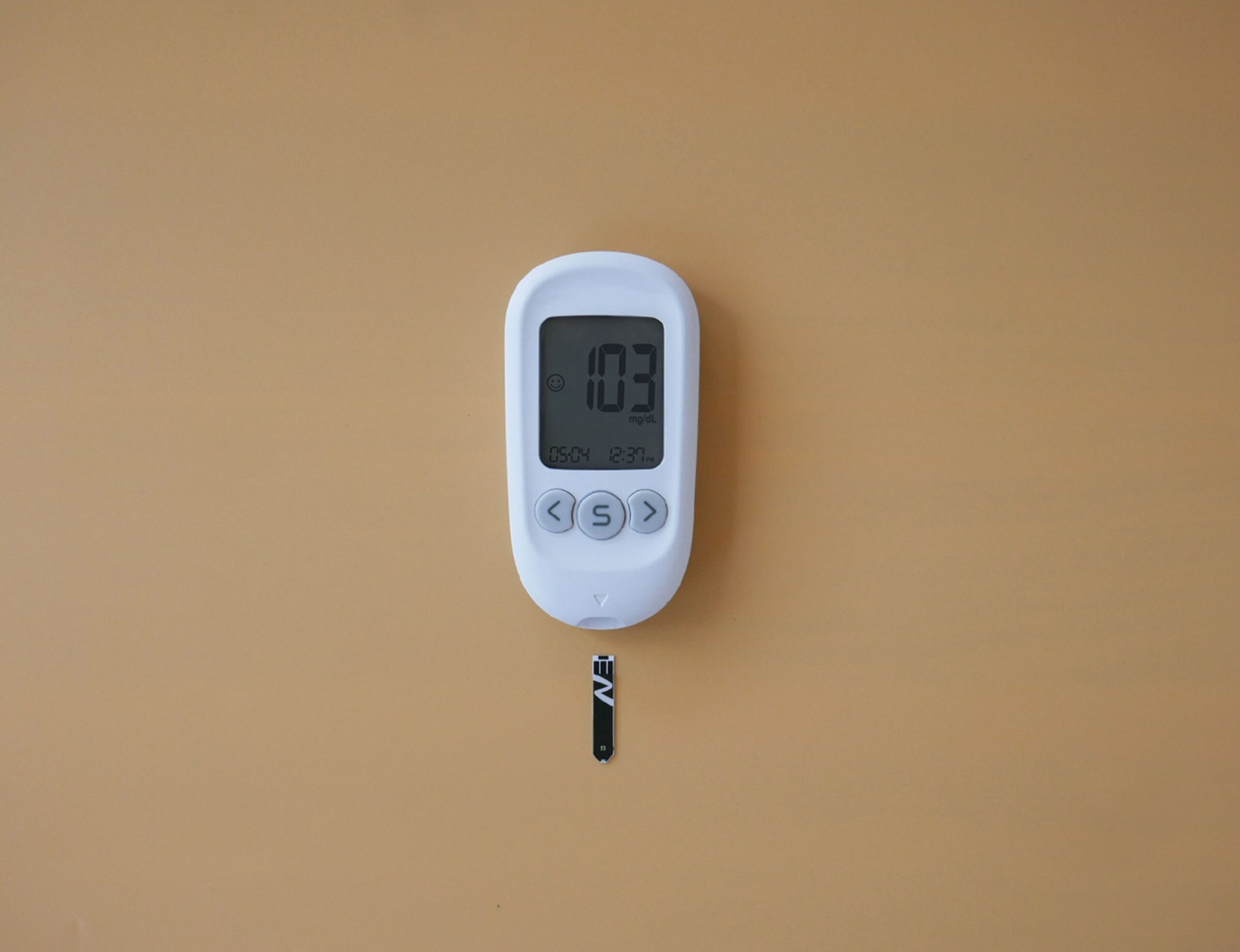
If you live with diabetes, you know how quickly testing supplies can pile up. Maybe your doctor changed your meter, your insurance sent more than you can use, or you switched from one brand to another and now have sealed boxes sitting in a drawer. Instead of letting those supplies expire, you may be able to sell diabetic supplies for cash while helping someone else access affordable testing products.
Turning extra test strips into money is usually simple, but it is worth doing carefully. You want to protect your health information, avoid selling unusable items, and choose a buyer that makes the process clear from start to finish.
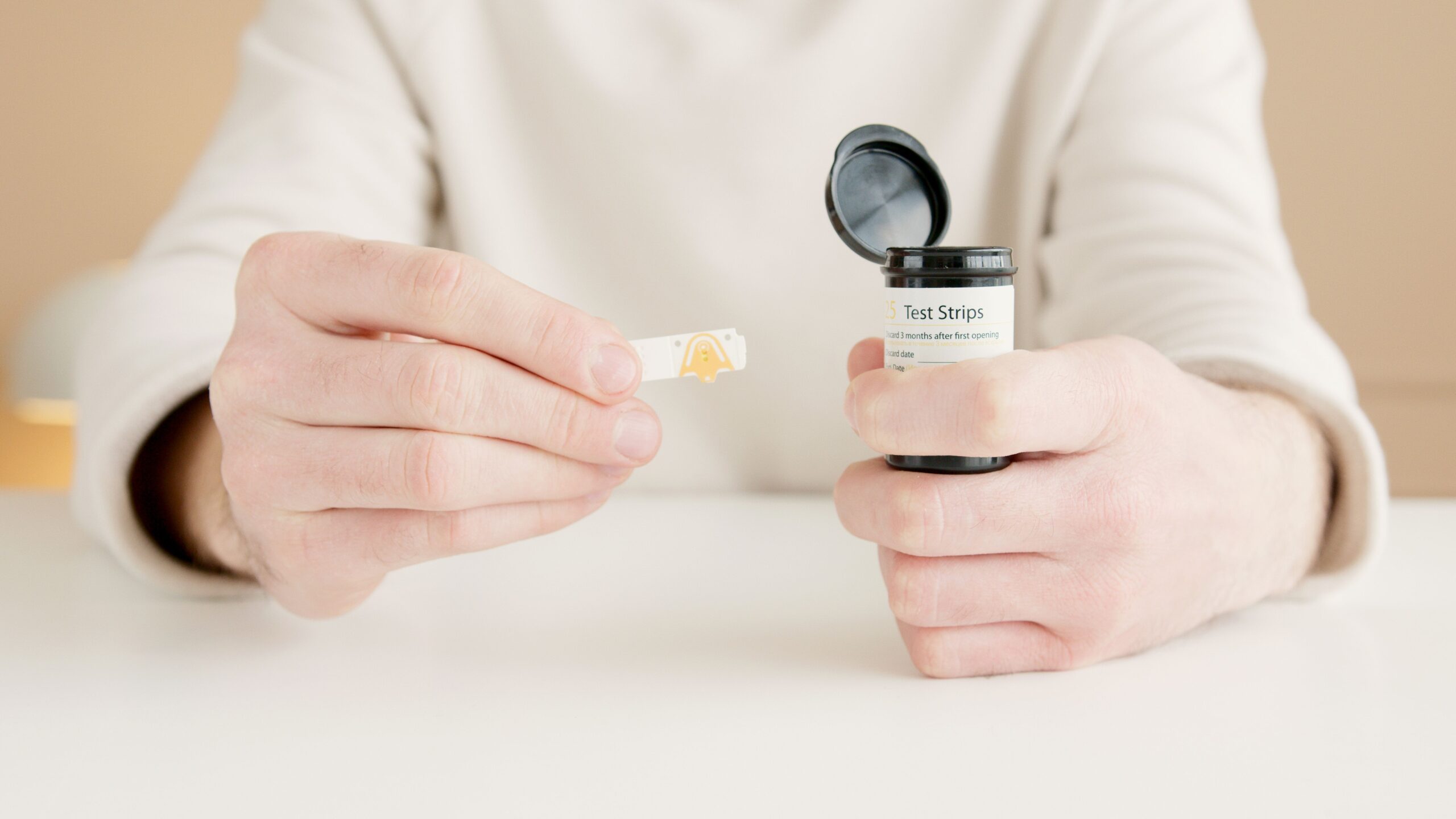
Yes, many diabetics can get cash for diabetic test strips when the boxes are sealed, unused, and not expired. The most commonly accepted items are factory-sealed boxes of test strips from popular brands, especially when they have enough time left before the expiration date. If you have supplies you no longer need, selling them can clear space, reduce waste, and put money back in your pocket. At BuyMyCGM for example, we buy not only diabetic test strips but also dexcom sensors, transmitters as well omnipod 5, omnipod dash and omnipod starter kits.
This is especially helpful for people who manage diabetes every day and understand how expensive supplies can feel. A change in medication, testing schedule, meter type, or insurance coverage can leave you with products that are still useful but no longer right for your routine. Rather than throwing them away, you can turn those extras into value.
That said, not every box qualifies. Buyers typically look for products that are unopened, in good condition, and legally yours to sell. If anything is damaged, opened, expired, or has questionable labeling, it may not be accepted.
Diabetes care is personal, and your supplies often change as your treatment plan changes. You may start with one meter, then switch to another because your provider recommends it, your insurance formulary changes, or you find a device that better fits your lifestyle. When that happens, the old test strips may no longer match your meter.
Some people also receive automatic refills that arrive before previous boxes are used. Others test less frequently after their care plan changes, while some move to a continuous glucose monitor and use finger-stick testing only as backup. Over time, even one or two extra boxes can become a small stack.
Common reasons diabetics end up with extra supplies include:
For anyone managing blood sugar, it can feel wasteful to discard sealed products that still have life left. Selling can be a practical option when those supplies are safe, unused, and no longer needed.
The strongest resale value usually comes from sealed, recognizable brands that many people use. Boxes with longer expiration dates and clean packaging are more appealing because buyers have more time to inspect, resell, or distribute them. Popular names such as Freestyle, Accu-Chek Aviva Plus, and Contour Next are often searched by people looking to sell test strips or buy affordable diabetic testing supplies.
Brand matters because test strips are not interchangeable. A Freestyle strip will not work in every meter, and Contour Next strips are designed for compatible Contour meters. That is why buyers usually ask for the exact product name, box count, expiration date, and condition before offering cash for test strips.
Before sending in supplies, look closely at each box. A buyer may ask for photos or require you to enter information online. Having the details ready helps prevent delays and gives you a clearer idea of what your supplies may be worth.
Check for:
If you are unsure whether a box qualifies, do not guess. A reputable buyer should be able to review the product details and explain what they can or cannot accept. Check out the BuyMyCGM Seller Guide if you need additional assistance in assessing products.
Selling diabetic supplies should be straightforward, but you still need to protect yourself. These products are tied to your health routine, so take a few extra minutes to review them before you ship anything.
Start by separating what you still need from what you truly no longer use. Keep backup supplies if your doctor has advised you to test during illness, medication changes, unusual readings, or device issues. Never sell supplies that you may need for safe daily diabetes management.
Then follow these practical steps:
This process helps you avoid confusion and gives the buyer what they need to evaluate your supplies quickly.
Diabetics should avoid selling anything opened, expired, damaged, contaminated, or still needed for their own care. You should also avoid selling products if you are unsure whether they are legally yours to resell or if the packaging includes restrictions you do not understand. When in doubt, ask the buyer or choose not to sell that item.
Opened test strip vials are a clear no. Once the seal is broken, strips may be exposed to moisture, air, or handling, which can affect reliability. Since blood sugar decisions can influence medication, meals, and safety, questionable supplies should not be passed along.
You should also be cautious with items such as lancets, meters, sensors, pumps, medications, and prescription-only products. Some supplies may have different rules, safety concerns, or buyer restrictions. If a company says it accepts more than test strips, read its requirements carefully and avoid sending anything not specifically approved.
Because medical devices are strictly regulated to protect patient safety, reviewing the FDA’s safety guidelines on buying and selling pre-owned medical devices will help you understand proper handling and compliance standards before completing your sale.
A simple rule is this: if you would not feel comfortable using the item yourself because of its condition, do not try to sell it to someone else.
If your goal is to get the most cash for diabetic test strips, condition and timing matter. Buyers generally prefer boxes with plenty of time before expiration because those products are easier to use or resell. Waiting too long can reduce value or make a box ineligible.
Store your supplies in a clean, dry place away from heat, moisture, and direct sunlight. Even if the boxes are sealed, poor storage can damage packaging and raise concerns about quality. Keep them organized by brand and expiration date so you know what should be sold first.
Here are a few ways to improve your chances of a smooth transaction:
It can also help to know the exact brand names people search for. For example, someone with extra Freestyle supplies should list the complete product name rather than using only a general phrase like “diabetes strips.” The same applies to Accu-Chek Aviva Plus, Contour Next, and other brand-specific products.
For many people with diabetes, affordability is a constant concern. Testing supplies are part of daily life, and even small changes in coverage or income can make routine care feel stressful. When safe, sealed supplies are resold through appropriate channels, they may help another person find lower-cost products they need.
That does not mean you should sell supplies you still rely on. Your own diabetes management comes first. But if boxes are sitting unused and heading toward expiration, selling them can be more useful than letting them go to waste.
There is also an emotional benefit. Diabetes can come with clutter: meters, strips, lancets, alcohol wipes, paperwork, and backup products. Clearing out supplies that no longer fit your care plan can make your space easier to manage and reduce the daily reminder of outdated routines.
Not every buyer operates the same way. A trustworthy company should make it easy to understand what they accept, how they price items, how shipping works, and when you will be paid. If the process feels vague or rushed, slow down and ask questions.
Look for a buyer that provides:
Avoid anyone who pressures you to send supplies without reviewing the basics. You should know what is expected before you mail your items.
Before you move forward, take five minutes to review your supplies. This quick check can save time and help you avoid sending items that will not qualify.
Ready-to-sell checklist:
If your supplies pass this checklist, you are in a stronger position to sell test strips with fewer delays.
Unwanted diabetic supplies do not have to sit in a cabinet until they expire. If you have sealed test strips from brands such as Freestyle, Accu-Chek Aviva Plus, or Contour Next, you may be able to turn them into cash while making practical use of products you no longer need.
The key is to be careful, honest, and organized. Protect your own health first, confirm that the supplies are unopened and in good condition, and choose a buyer with clear standards. For diabetics who have extra boxes after a meter change, prescription update, or supply overstock, selling can be a smart way to reduce waste and recover some value.
If you have unopened diabetes supplies sitting in a cabinet, you may be wondering whether you can turn them into

If you have unopened Dexcom supplies sitting in a drawer, you may be able to turn them into cash instead