
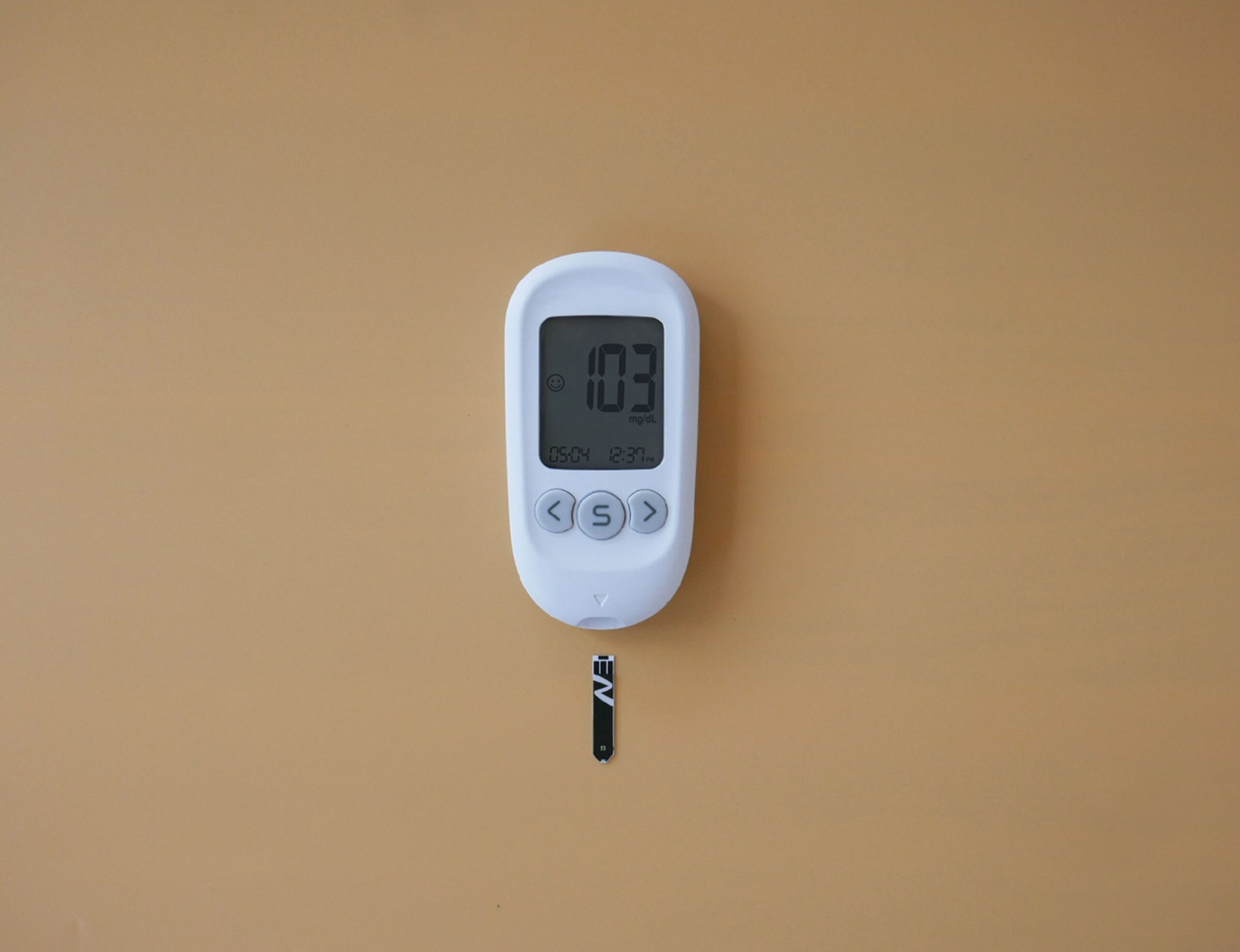
How to Turn Unwanted Diabetic Test Strips & Supplies into Cash
If you live with diabetes, you know how quickly testing supplies can pile up. Maybe your doctor changed your meter,

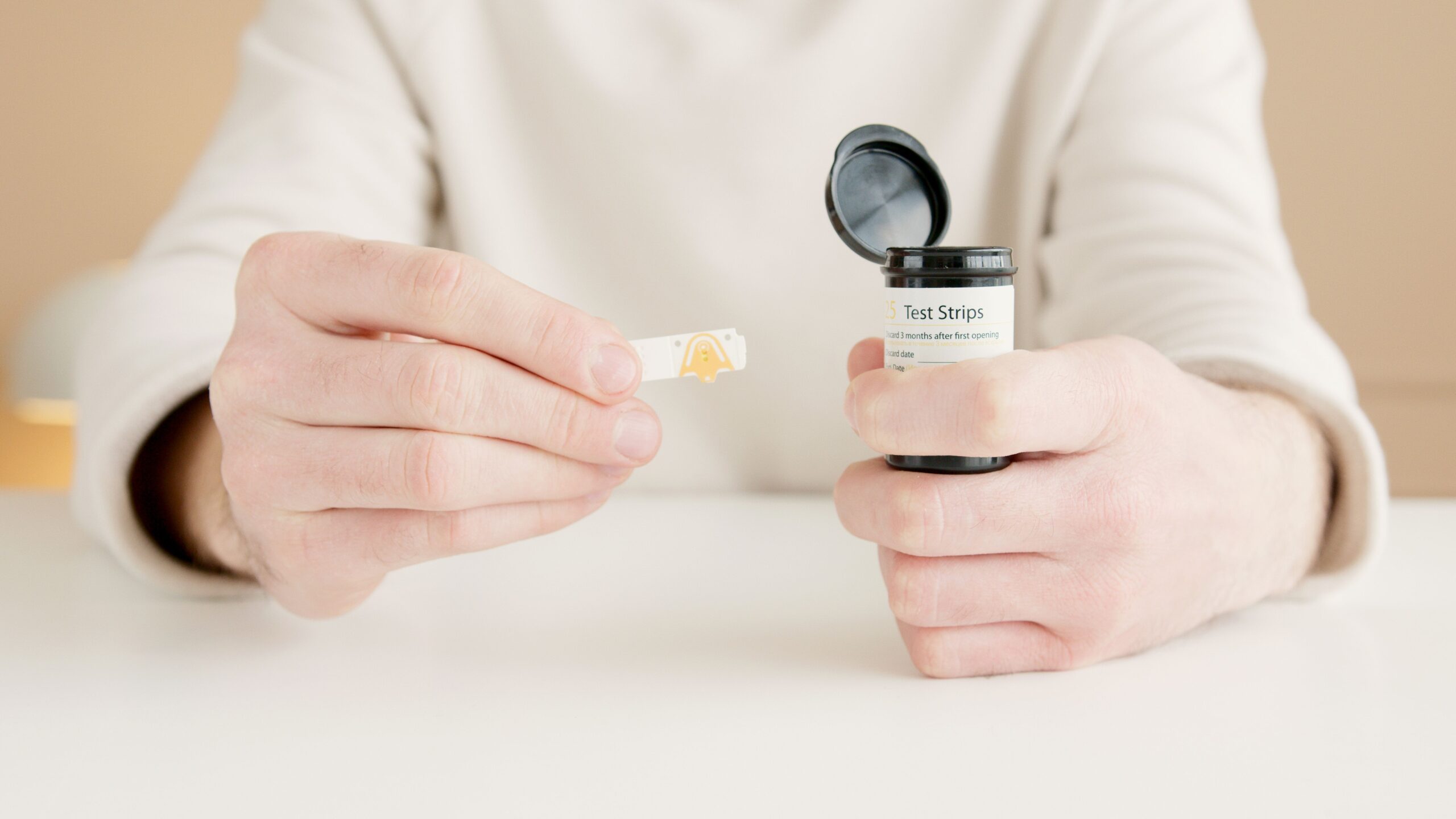
If you have unopened diabetes supplies sitting in a cabinet, you may be wondering whether you can turn them into cash without crossing a legal or safety line. In many cases, people look for extra diabetic test strips for cash because their prescription changed, their meter changed, or they received more supplies than they can use. The safest approach is to understand what can usually be resold, what should never be sold, and why sealed condition, expiration dates, and product type matter.
Selling extra diabetic test strips for cash may be possible when the boxes are legitimately yours, factory sealed, unexpired, and appropriate for resale, but laws, insurance rules, platform policies, and state requirements can vary. Glucose test strips are FDA-regulated medical devices, and the FDA warns buyers about risks from pre-owned, expired, improperly stored, or unauthorized strips because inaccurate results can affect diabetes treatment decisions. This article is general information, not legal or medical advice, so check the rules that apply to your state, insurance source, and product before you sell. (fda.gov)
The key difference is between selling a clean, unopened box you no longer need and trying to move questionable supplies. A buyer depends on those strips for health decisions, so the condition of the box is not just a cosmetic issue. If the seal is broken, the box is damaged, the expiration date is too close, or the product was not authorized for sale in the United States, a reputable buyer may refuse it.
Most buyers who purchase diabetic supplies focus on predictable, verifiable products. They want sealed boxes from recognized brands, clear expiration dates, and packaging that has not been crushed, stained, opened, relabeled, or tampered with. This protects the person selling, the company buying, and the future user who needs reliable supplies.
A simple pre-sale check can help you avoid wasting time:
These details matter because glucose meters and strips are designed to work as a system. The FDA advises users to use the test strips recommended for their specific meter, and it has warned that mismatched or compromised strips can produce incorrect results. (fda.gov)
For more help when evaluating if products are fit for sale you may visit our seller guide.
If you are searching for whether you can sell expired test strips, the safe answer is usually no. Expired strips may not perform as intended, and an inaccurate reading can lead someone to take too much or too little medication. The FDA specifically warns that expired or improperly stored strips can put users at risk of incorrect results. (fda.gov)
Opened vials create a different concern. Once a vial has been opened by another person, there may be contamination risk, including possible exposure to small amounts of blood. Even if the strips look unused, the next person cannot know how they were handled or stored.
That is why reputable buyers generally reject:
Trying to sell test strips for diabetes in poor condition may seem harmless if the alternative is throwing them away, but the buyer’s safety has to come first. If supplies are expired, opened, or questionable, disposal is usually more responsible than resale.
Many people start by searching “sell test strips locally” because they want a quick handoff and immediate payment. Local selling can be convenient, but it can also be harder to verify who is buying, how the supplies will be used, and whether the transaction follows marketplace rules. Some online marketplaces also restrict medical supplies, so a listing that seems simple may be removed or flagged.
A diabetic supplies for cash company may offer a more structured process. Typically, you submit brand names, expiration dates, quantities, and photos; the company reviews the items; and eligible products receive a quote. A legitimate buyer should be clear about what they accept, what they reject, how payment works, and what happens if items arrive in worse condition than described.
Here is a practical comparison:
| Option | Potential benefit | Watch-outs |
|---|---|---|
| Local buyer | Faster exchange and no shipping | Harder to verify policies, safety practices, or resale compliance |
| Online marketplace | Broad audience | Platform restrictions, scams, and medical supply listing rules |
| Supplies buyback company | Clearer intake standards and repeatable process | Must check reputation, payment terms, and accepted products |
| Donation or disposal | Useful when resale is not appropriate | Donation programs may have strict acceptance rules |
Whichever path you choose, avoid pressure tactics. If someone wants opened, expired, unlabeled, or suspicious products, that is a red flag. A trustworthy transaction should make you feel more confident, not less.
You should not assume that pump, pod, sensor, reservoir, or infusion supplies follow the same rules as over-the-counter test strips. Omnipod 5 is described by the manufacturer as a single-patient, home-use system that requires a prescription, and Medtronic states that infusion sets require a prescription; prescription items can raise additional legal, safety, and transfer concerns. If you want to sell Omnipod 5 items or sell Medtronic supplies, verify the product type, prescription status, source, and applicable rules before taking any action. (omnipod.com)
This is especially important because diabetes technology is not just “extra equipment.” Pods, reservoirs, infusion sets, and sensors may be tied to a specific system, patient, prescription, training process, or manufacturer instructions. Some supplies are single-use, sterile, or intended for a particular device configuration.
Before trying to sell omnipod 5 products, Medtronic infusion sets, reservoirs, sensors, or similar items, ask:
A cautious buyer may accept some categories of diabetes supplies and reject others. That is not inconsistency; it is risk management.
Preparation helps you get a faster answer and reduces misunderstandings. Start by gathering all boxes in one clean, dry place. Sort them by brand, product type, expiration date, and condition. Then take clear photos of the front, back, seal, expiration date, and any labels or markings.
Use this basic workflow:
If you are working with a diabetic supplies for cash company, the company should explain inspection standards upfront. If the offer sounds unusually high, the instructions are vague, or communication feels rushed, pause and compare options.
The biggest mistake is treating medical supplies like ordinary household clutter. A box of strips is small, but its results can influence insulin dosing, food decisions, and emergency care. That is why the condition and history of the product matter so much.
Avoid these common missteps:
It is also wise to document the transaction. Keep photos, messages, quotes, tracking numbers, and payment confirmations. Good records protect both sides if there is confusion about what was offered, shipped, or accepted.
Selling unused diabetic supplies can make sense when the items are safe, sealed, unexpired, and eligible for transfer. It can also help reduce waste and put supplies back into circulation through a buyer that understands the category. But the goal is not just to get paid; it is to handle health-related products responsibly. A good option to sell your diabetic supplies is BuyMyCGM.com they offer a payout guarantee of within 24 hours of delivery
If you want to sell test strips for diabetes, begin with the basics: sealed condition, valid expiration, clean packaging, lawful ownership, and a reputable buyer. If you want to sell omnipod 5 or sell Medtronic supplies, slow down and verify prescription and transfer rules first. When in doubt, choose safety over speed.
Extra supplies may have value, but only the right supplies should be resold. A careful, transparent process helps you pursue extra diabetic test strips for cash while respecting the medical importance of the products involved.
If you live with diabetes, you know how quickly testing supplies can pile up. Maybe your doctor changed your meter,

If you have unopened Dexcom supplies sitting in a drawer, you may be able to turn them into cash instead