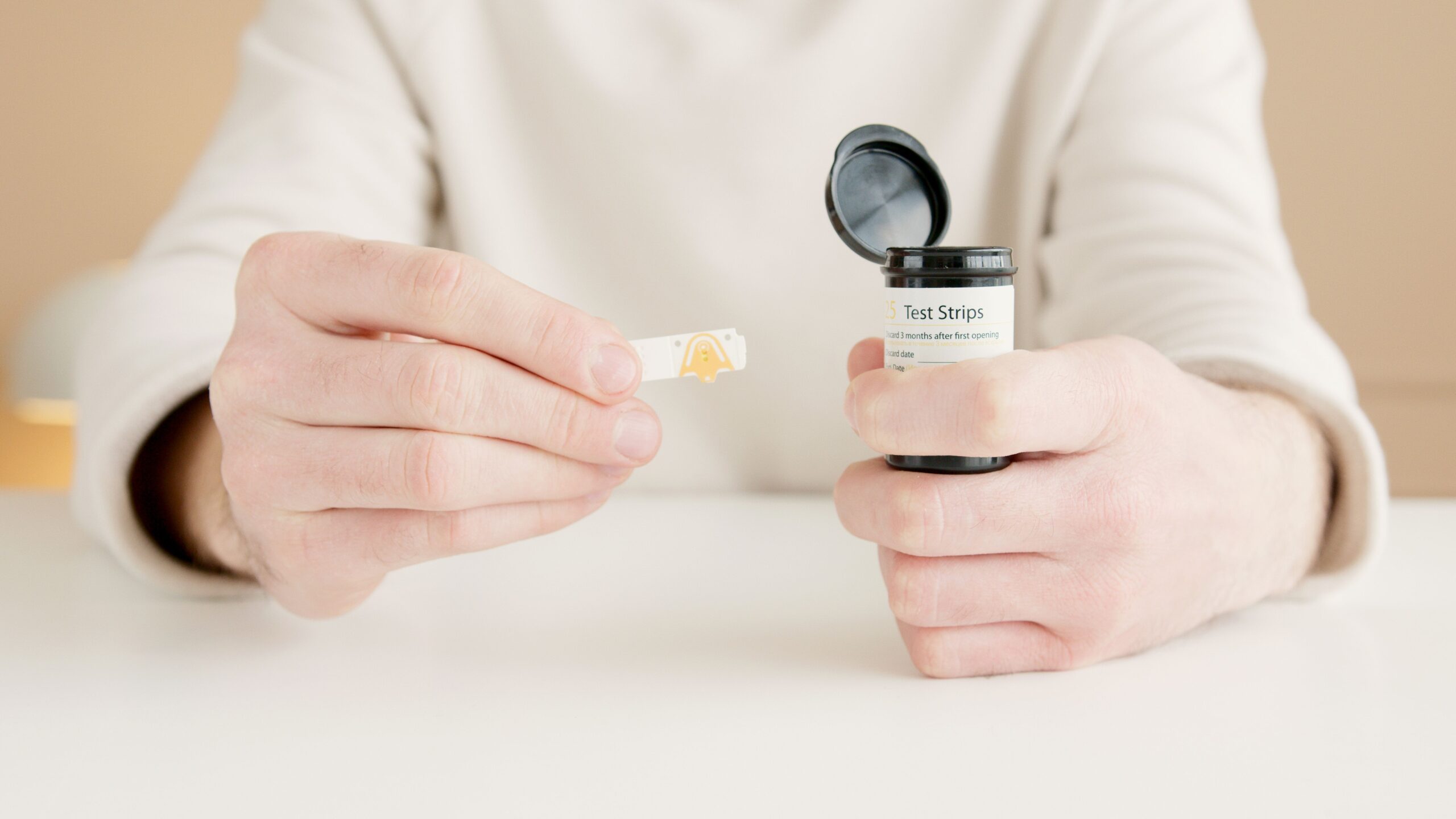
Is it legal to sell extra diabetic test strips for cash? 2026
If you have unopened diabetes supplies sitting in a cabinet, you may be wondering whether you can turn them into

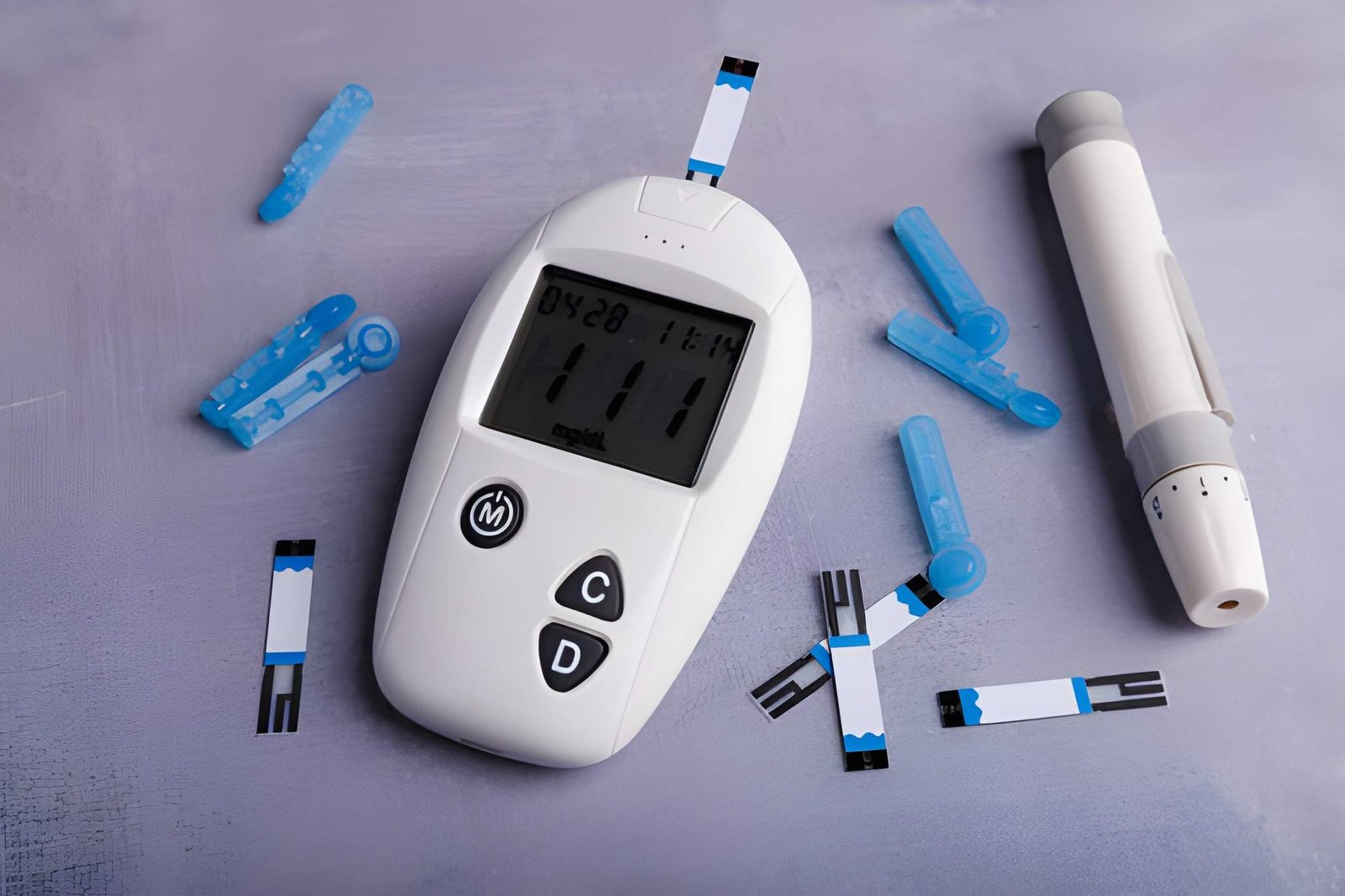
How continuous glucose monitors work, what the data means, and what to know before buying a CGM

A wearable CGM sensor attached to the upper arm.
What Is a CGM?
A continuous glucose monitor (CGM) is a wearable device that helps track glucose levels throughout the day and night. Instead of giving you only an occasional snapshot, a CGM collects repeated readings so you can see how glucose is changing over time.
Most CGM systems use a small sensor placed just under the skin. The sensor measures glucose in interstitial fluid—the fluid between cells—and the system sends the information to a smartphone, receiver, insulin pump, or another compatible display. This creates a more detailed picture of glucose trends than a single reading can provide.
CGMs are widely used in diabetes care, particularly for people who need frequent glucose information. Depending on the specific system, a CGM may provide trend arrows, historical graphs, and alerts for high or low glucose levels.

Simplified illustration of the basic CGM data flow.
How Does a CGM Work?
1. A small sensor is placed under the skin.
A disposable CGM sensor is typically worn on the arm or another approved site, depending on the device. A tiny sensing element sits below the skin and measures glucose in interstitial fluid.
2. The sensor collects glucose readings.
CGM systems estimate glucose levels at regular intervals. The exact measurement frequency, warm-up period, wear time, and other features vary by model.
3. The information is transmitted.
Depending on the system, readings may be sent wirelessly to a smartphone app, dedicated receiver, insulin pump, or another compatible device.
4. The app or receiver displays trends.
Instead of seeing only one number, users can see current glucose, historical data, and the direction in which glucose is moving. Many systems also offer customizable alerts.
Why Do People Use CGMs?
See patterns instead of isolated readings: A CGM can show how glucose changes around meals, physical activity, sleep, stress, and medication. This can make patterns easier to discuss with a healthcare professional.
Receive alerts: Many CGMs can alert users when glucose reaches a high or low threshold. Alert availability and settings depend on the device.
Reduce the burden of frequent fingersticks: Many modern CGMs are designed to provide readings without routine fingerstick checks, although some situations may still require a blood glucose meter or confirmation depending on the system and the treatment decision.
Share information: Compatible CGM systems may allow glucose information to be shared with caregivers or healthcare professionals, which can be useful for ongoing diabetes management.

Example of a CGM sensor being secured on the upper arm.
CGM vs. Traditional Fingerstick Testing
A traditional blood glucose meter generally requires a small blood sample, often obtained with a fingerstick, and provides a glucose measurement at that moment. A CGM, by contrast, collects repeated measurements and presents them as a trend.
| Feature | CGM | Blood Glucose Meter |
| Measurement source | Interstitial fluid | Blood sample |
| Data pattern | Repeated readings and trends | Point-in-time readings |
| Alerts | Available on many systems | Usually not continuous |
| Wearable | Yes, for compatible systems | No |
These technologies are not necessarily competitors. A person may use both, depending on the CGM system, symptoms, treatment plan, and guidance from a healthcare professional.
Who Can Use a CGM?
CGMs are used by many people with diabetes, including people with type 1 diabetes and people with type 2 diabetes who may benefit from more frequent glucose information. Some CGM products are also authorized for other populations or purposes. Eligibility, prescription requirements, age limits, and intended use vary by device and country.
If you are considering a CGM for yourself or a family member, the right device depends on factors such as the type of diabetes, medications, treatment goals, age, compatible devices, insurance or payment options, and whether the system fits the user’s daily routine.
Understanding CGM Data
Current glucose: The main number displayed by the app or receiver represents the system’s current glucose estimate.
Trend arrows: Many systems show whether glucose is rising, falling, or relatively stable. The exact meaning of the arrows varies by manufacturer.
Glucose graph: The graph shows recent history and can help reveal patterns that are difficult to see from occasional measurements.
Time in range: Time in range describes how much time glucose stays within a defined target range. Targets are individualized and should be discussed with a healthcare professional.
Important Things to Know Before Using a CGM
CGMs measure glucose in interstitial fluid rather than directly measuring blood glucose. There can be differences or delays between interstitial glucose and blood glucose, particularly when glucose is changing quickly.
Do not assume every CGM has the same features. Wear time, warm-up time, alert options, smartphone compatibility, receiver requirements, insertion sites, and calibration requirements can differ by model.
If a reading does not match how you feel, or if your device instructions say confirmation is needed for a treatment decision, follow the manufacturer’s instructions and use a blood glucose meter when appropriate.
Skin irritation can occur with adhesive medical devices. Follow the manufacturer’s application and removal instructions and seek professional advice for persistent or severe skin reactions.
CGMs are medical devices. They should be used according to their approved labeling and the guidance of the user’s healthcare team.
What to Check When Buying CGM Supplies
Whether you are buying a CGM for personal use or evaluating unopened CGM products for resale, the details on the box matter. Before purchasing, check the exact product name and model, packaging condition, expiration or use-by date, compatibility requirements, and any prescription or regional restrictions that apply.
Confirm the exact CGM model and sensor generation.
Check the expiration or use-by date printed on the packaging.
Make sure the packaging is sealed and undamaged.
Confirm compatibility with the intended smartphone, receiver, or pump when applicable.
Check whether the product is intended for the user’s age group and medical indication.
Follow local rules and the manufacturer’s instructions for storage, sale, and use.
Looking for a Better Way to Handle CGM Supplies?
CGM technology has made glucose information more accessible and actionable for many people managing diabetes. But the details matter—especially when it comes to product model, packaging, compatibility, and expiration dates.
BuyMyCGM helps people and businesses navigate the process of selling eligible CGM products. If you have unopened CGM supplies you no longer need, you can review the quote process and provide the product and expiration details required for an accurate offer.
Frequently Asked Questions About CGMs
Does a CGM measure blood sugar directly?
No. Most CGMs estimate glucose from interstitial fluid beneath the skin. Because of this, readings can sometimes differ from a blood glucose meter, especially during rapid glucose changes.
Do CGMs completely replace fingersticks?
Not always. Some systems are designed to reduce or eliminate routine fingersticks, but users may still need a blood glucose meter in certain situations. Follow the specific device instructions and your healthcare professional’s advice.
How long does a CGM sensor last?
Wear time depends on the specific model. Some sensors are designed for around one to two weeks, while other systems have different schedules. Always follow the product’s labeling.
Can I exercise or shower while wearing a CGM?
Many CGM systems are designed for normal daily activities such as exercise and bathing, but water resistance and activity limits vary by product. Check the specific manufacturer’s instructions.
Can a CGM help with diabetes management?
CGM data can help users and healthcare teams identify glucose patterns and make more informed treatment decisions. The benefits depend on the individual, the device, and how the information is used.
Medical Disclaimer
This article is for general educational and informational purposes only. It is not medical advice, a diagnosis, or a substitute for care from a qualified healthcare professional. CGM features, indications, and instructions vary by product and location. Always follow the labeling for your specific device and consult your healthcare professional for questions about glucose targets, treatment, medication, or device use.
Sources & Image Credits
Centers for Disease Control and Prevention (CDC), “Continuous Glucose Monitors.”
National Institute of Diabetes and Digestive and Kidney Diseases (NIDDK), “Continuous Glucose Monitoring.”
American Diabetes Association Consumer Guide, “CGMs.”
Wikimedia Commons image: “Abbott Freestyle Libre 3 Glukosesensor in situ-1145.jpg” — CC BY-SA 4.0.
Wikimedia Commons image: “Glucose sensor / continuous glucose monitor” source image used for the application photo. The document includes an image credit where applicable.
If you have unopened diabetes supplies sitting in a cabinet, you may be wondering whether you can turn them into
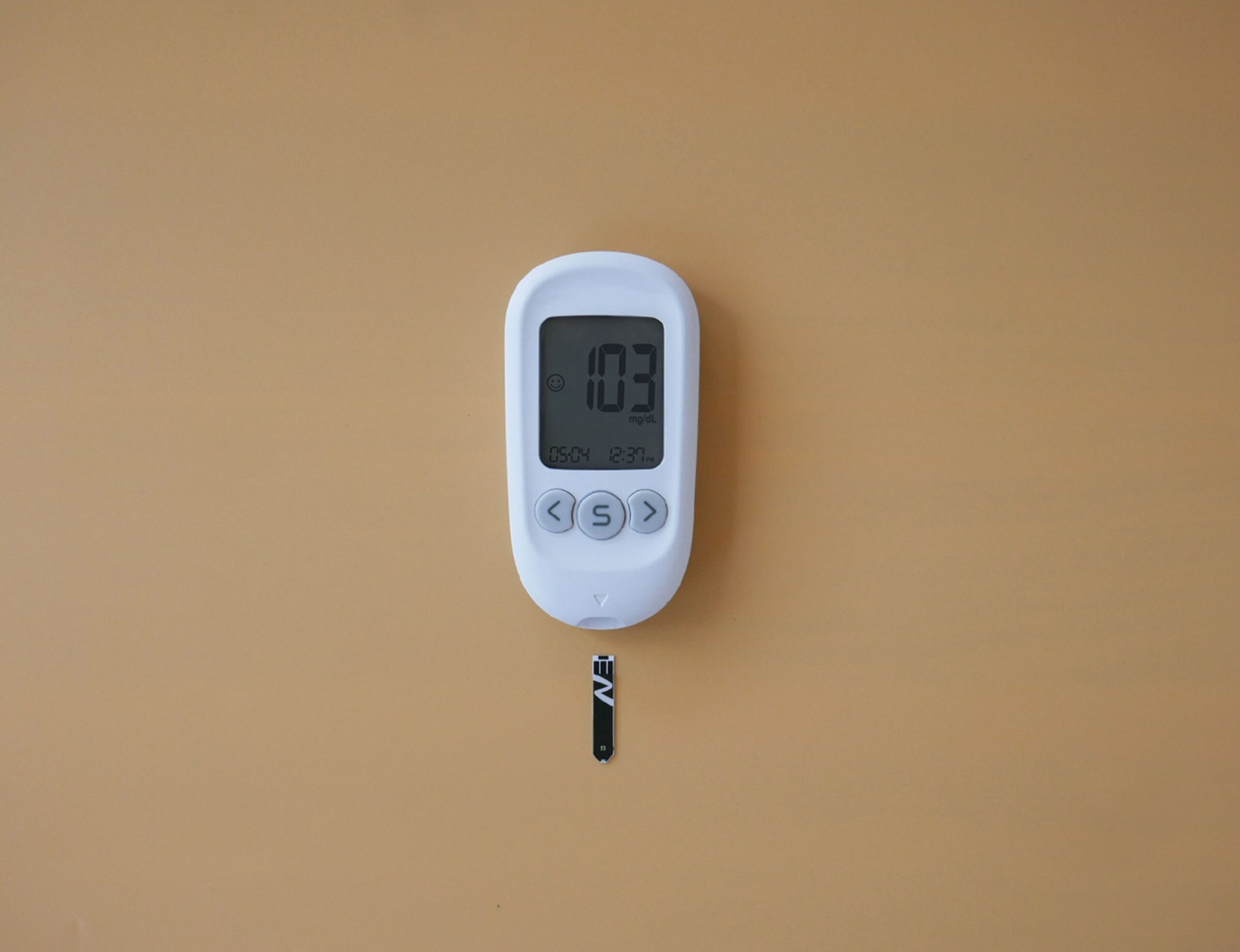
If you live with diabetes, you know how quickly testing supplies can pile up. Maybe your doctor changed your meter,